Watch Buyer's Guide
Five Watches That Defined 2025
A year-end look at the watches that shaped the conversation — new releases, value benchmarks, and the ones that quietly proved a point.
2025 did something the watch market hadn't managed in a few years — it got interesting again. Speculation faded, prices corrected on some of the most overinflated references, and buyers started making decisions based on what they actually wanted to wear rather than what they expected to flip. Five watches captured that moment better than anything else.
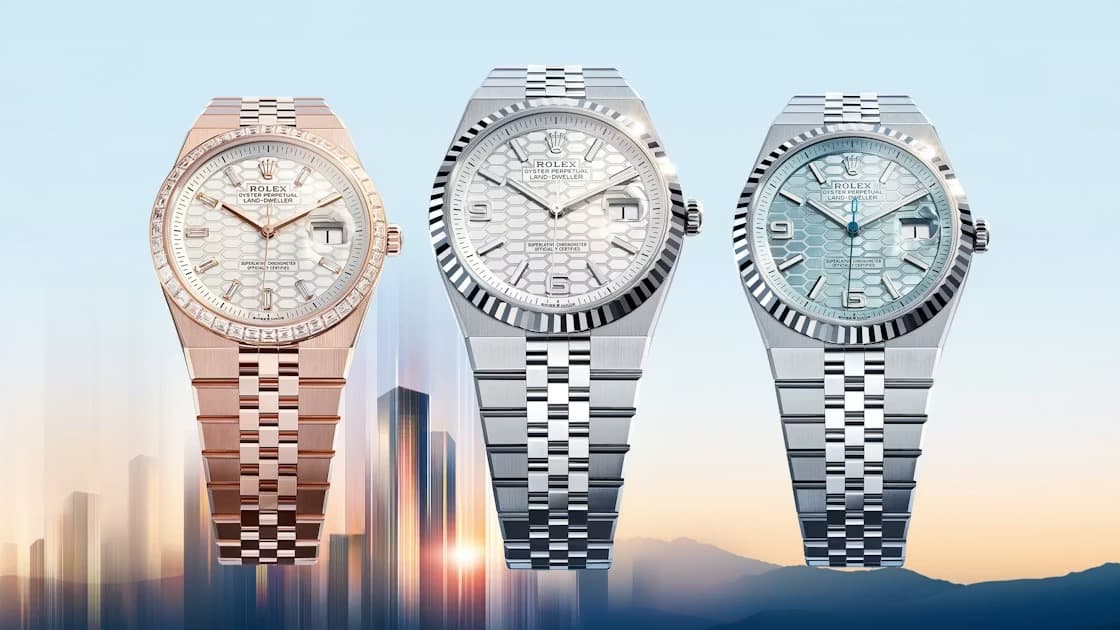
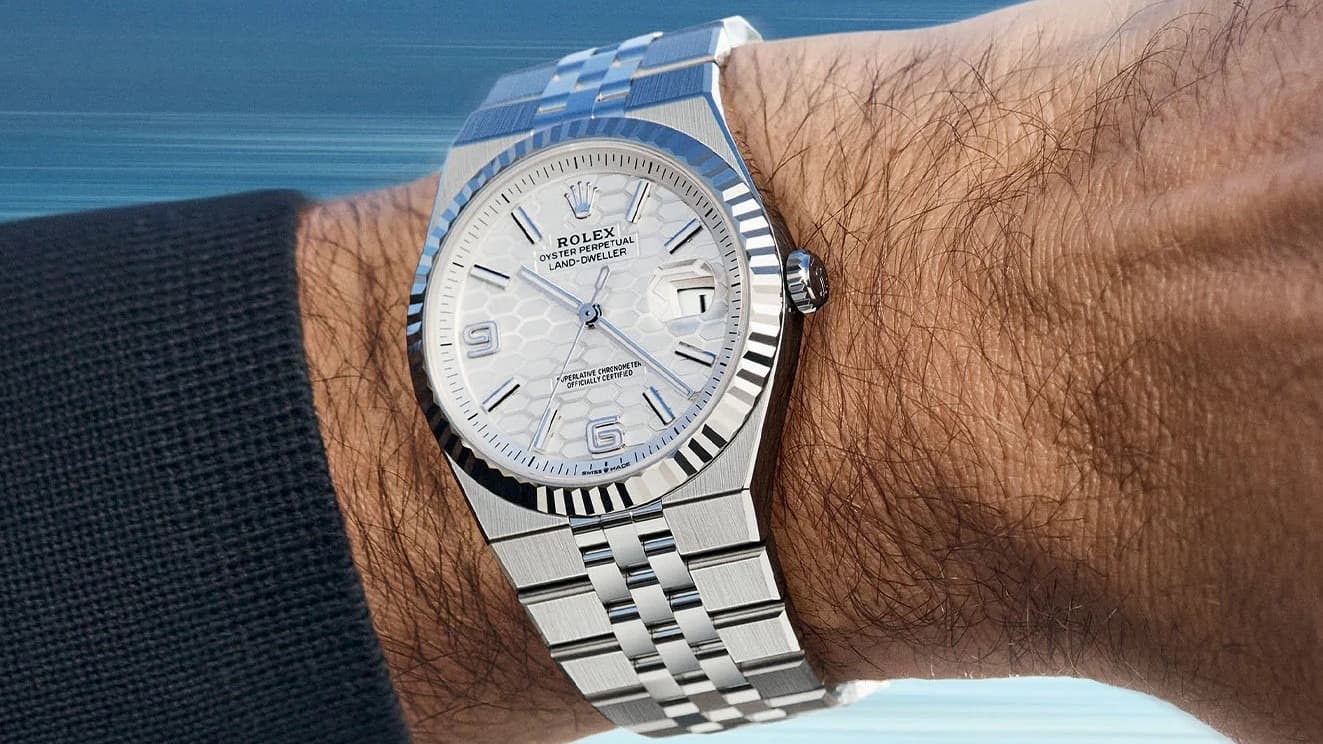
Rolex Land-Dweller
The biggest watch story of 2025 wasn't a new dial colour or a material swap — it was Rolex building an entirely new collection for the first time in years. The Land-Dweller arrived at Watches and Wonders with a 40mm case, an integrated bracelet, and the new calibre 7135 featuring a Dynapulse escapement — Rolex's first mechanical high-frequency movement. For the most conservative manufacturer in the industry, this was an event.
The watch is quietly polarising. The integrated bracelet reads as slightly proportioned for some wrists, and $18,000–$22,000 retail for steel puts it in an uncomfortable position above the Daytona without carrying the same cultural weight. The waiting list appeared within hours. But as a technical statement from a brand that moves at a geological pace, it landed. The Land-Dweller is the most significant thing Rolex did in 2025, and the arguments about whether it should exist are part of what made it the story.
Cartier Santos de Cartier
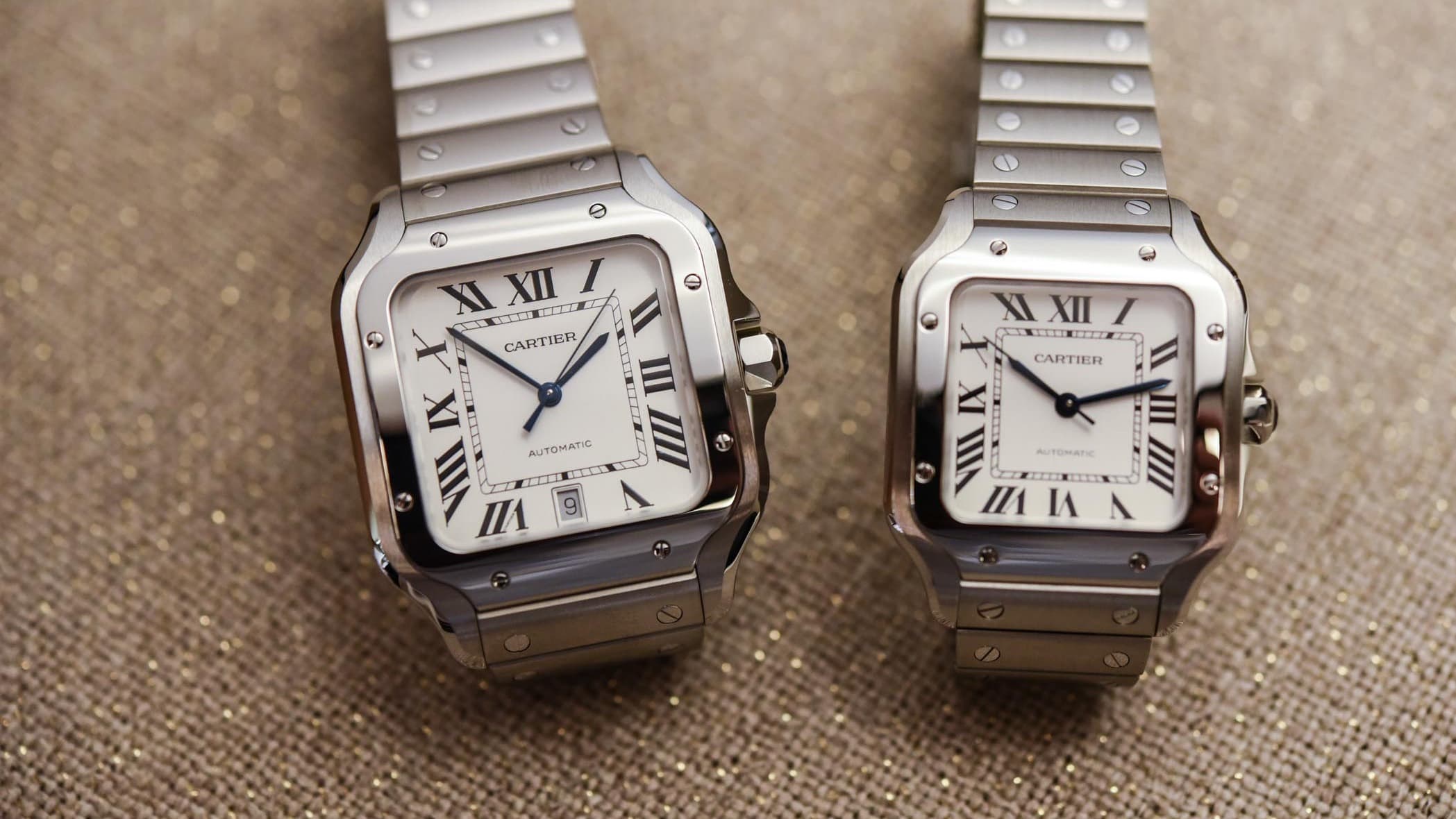
Numbers don't lie. The Santos saw some of the steepest demand growth of any watch in 2025 as the conversation shifted away from sports-tool uniformity toward something that actually had design intent. The WSSA0029 — 39.8mm steel, integrated bracelet, QuickSwitch strap system — benefited from a broader cultural re-evaluation of what a watch should look like on a wrist.
Collectors who spent the previous decade chasing Submariners and Aquanauts started asking whether they wanted to own something more considered. The Santos fits a suit without trying. It wears fine casually without looking out of place. The history is legitimate — a Santos from 1904 sits in the Cartier archives as one of the first practical wristwatches ever made. In 2025, a generation of buyers caught up to what the Santos had always been.
Tudor Black Bay Fifty-Eight
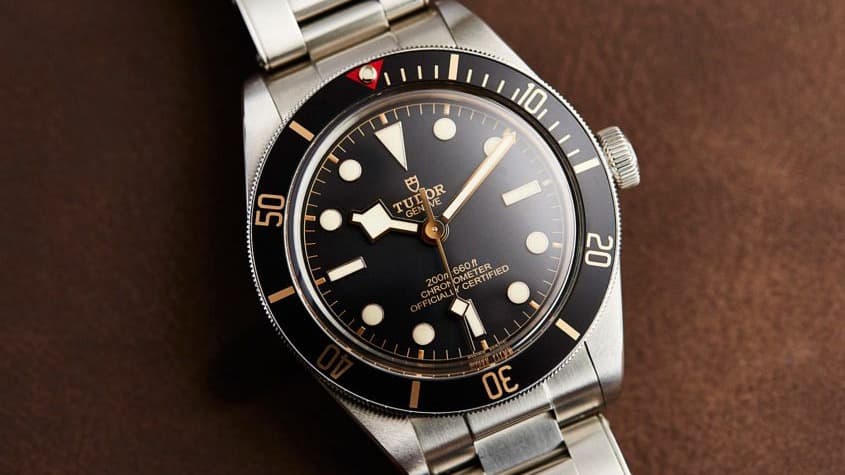
No watch at $2,900 made a stronger case in 2025 that you don't need to spend more. The BB58 — ref. M79030N, 39mm black dial, 11.9mm thickness — wears like it was designed by someone who actually measured a wrist. Slim enough for daily rotation. 200m water resistance. The MT5402 with a 70-hour power reserve on a bracelet that can't be improved at the price.
In a year when Rolex waitlists stayed absurd and grey market premiums hadn't fully normalised, the BB58 was the honest answer to the question of where to put $3,000 if you cared about the watch more than the logo. It kept earning that position throughout the year.
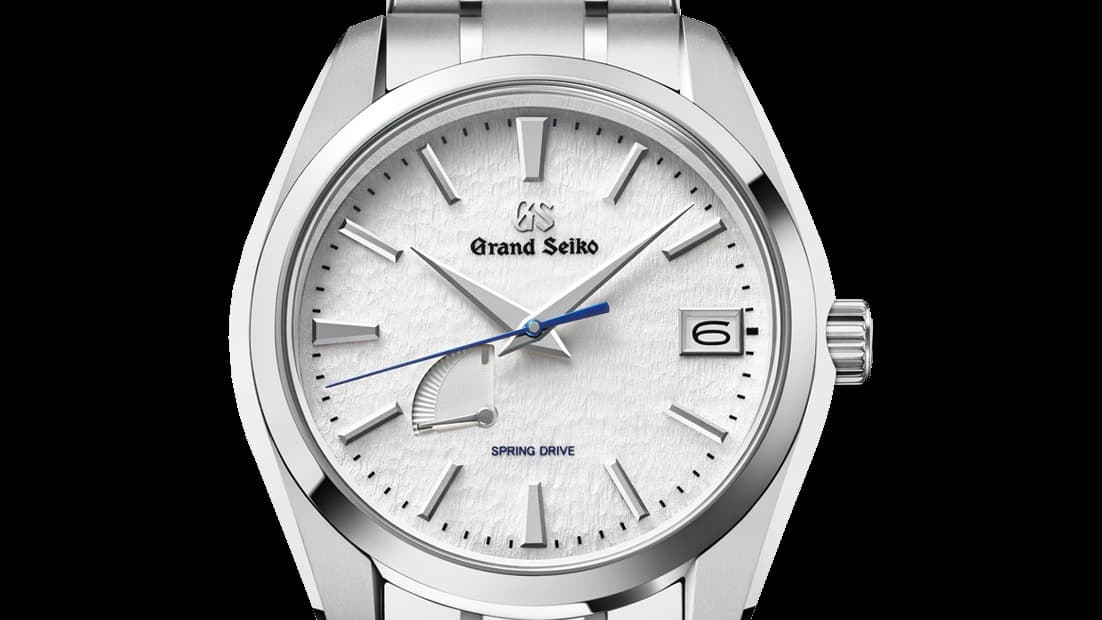
Grand Seiko SBGA211 Snowflake
The Snowflake wasn't released in 2025. It's been in production for years. But 2025 was the year the watch community broadly agreed on what it was: one of the most beautiful dials in production at any price point.
The SBGA211's white dial is finished by hand using Seiko's zaratsu polishing — not lacquer, not printing, but physical surfacing that catches and scatters light in a way that changes constantly across the day. The Spring Drive movement underneath is a mechanical-quartz hybrid that keeps time to ±1 second per day, which is genuinely unsettling to watch on a timegrapher. As dress-forward collecting grew through the year, the Snowflake became shorthand for what Japanese watchmaking does that Switzerland often doesn't: quiet, sustained excellence that doesn't need a famous name to justify itself.
Tissot PRX Powermatic 80
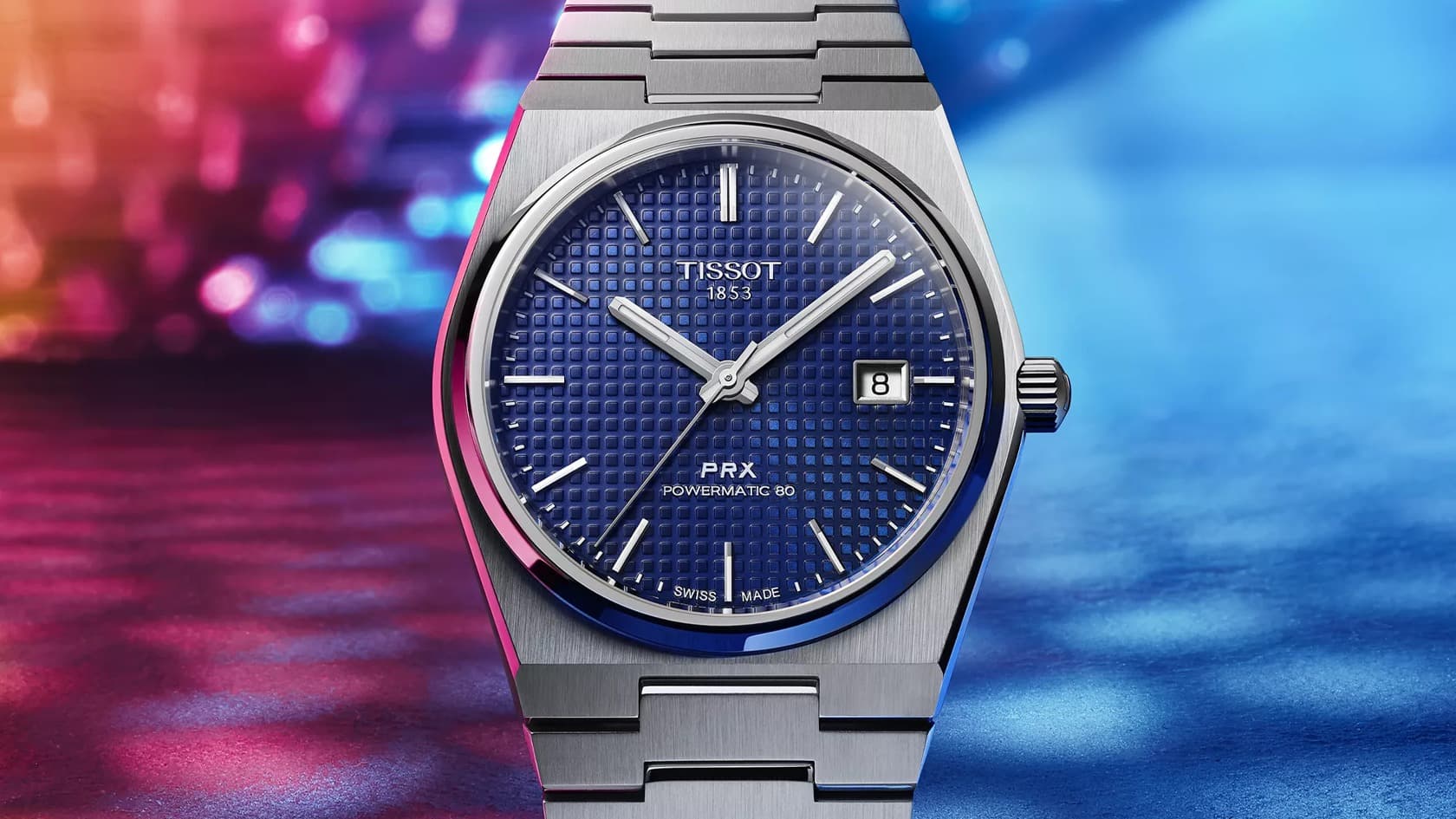
The accessible story of 2025 has a clear winner. The PRX Powermatic 80 — 40mm, 9.9mm thin, integrated bracelet, sapphire crystal, ETA C07.101 with 80-hour reserve — drove conversations all year about how far accessible Swiss watchmaking had come. It started as a reissue of a 1970s Tissot prototype and landed as the best argument for buying new under $1,500.
Demand surged. It regularly appeared on lists alongside watches costing three and four times as much. For a watch at this price to hold up in that company consistently, it has to actually be good. In 2025, it was hard to argue otherwise.
The common thread across all five is straightforward: they held up under scrutiny. Attention paid to what the watch actually was — the object, the movement, how it wears — rewarded the buyer. That's what the market did in 2025. People got better at asking the right questions. These were the watches that answered them.
Sources
- Chrono24 2025 Market Review — chrono24.com
- Watches and Wonders 2025 coverage — various